Effigy Mounds
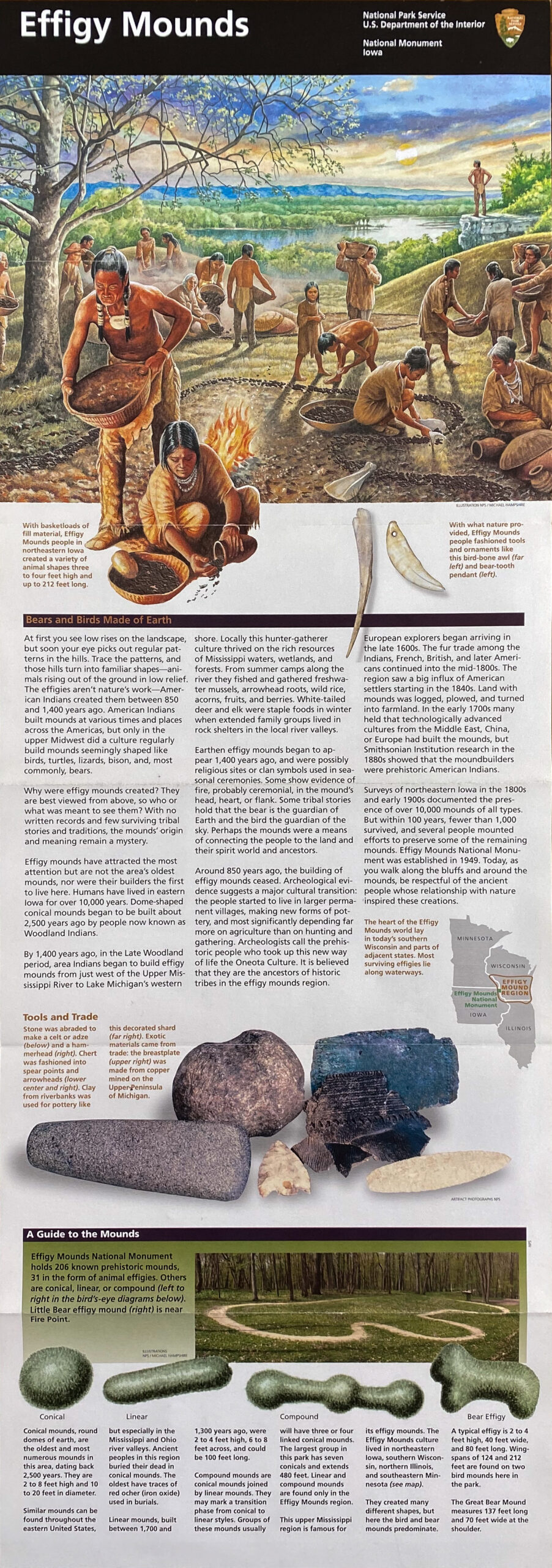
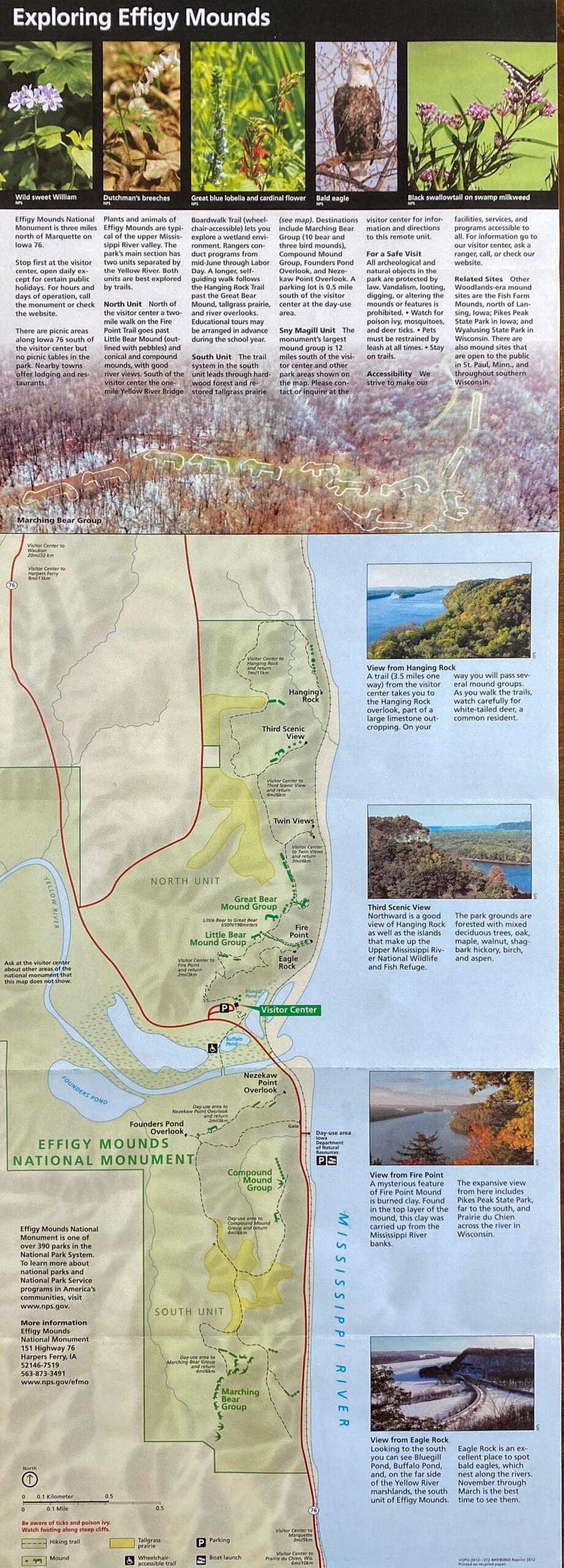
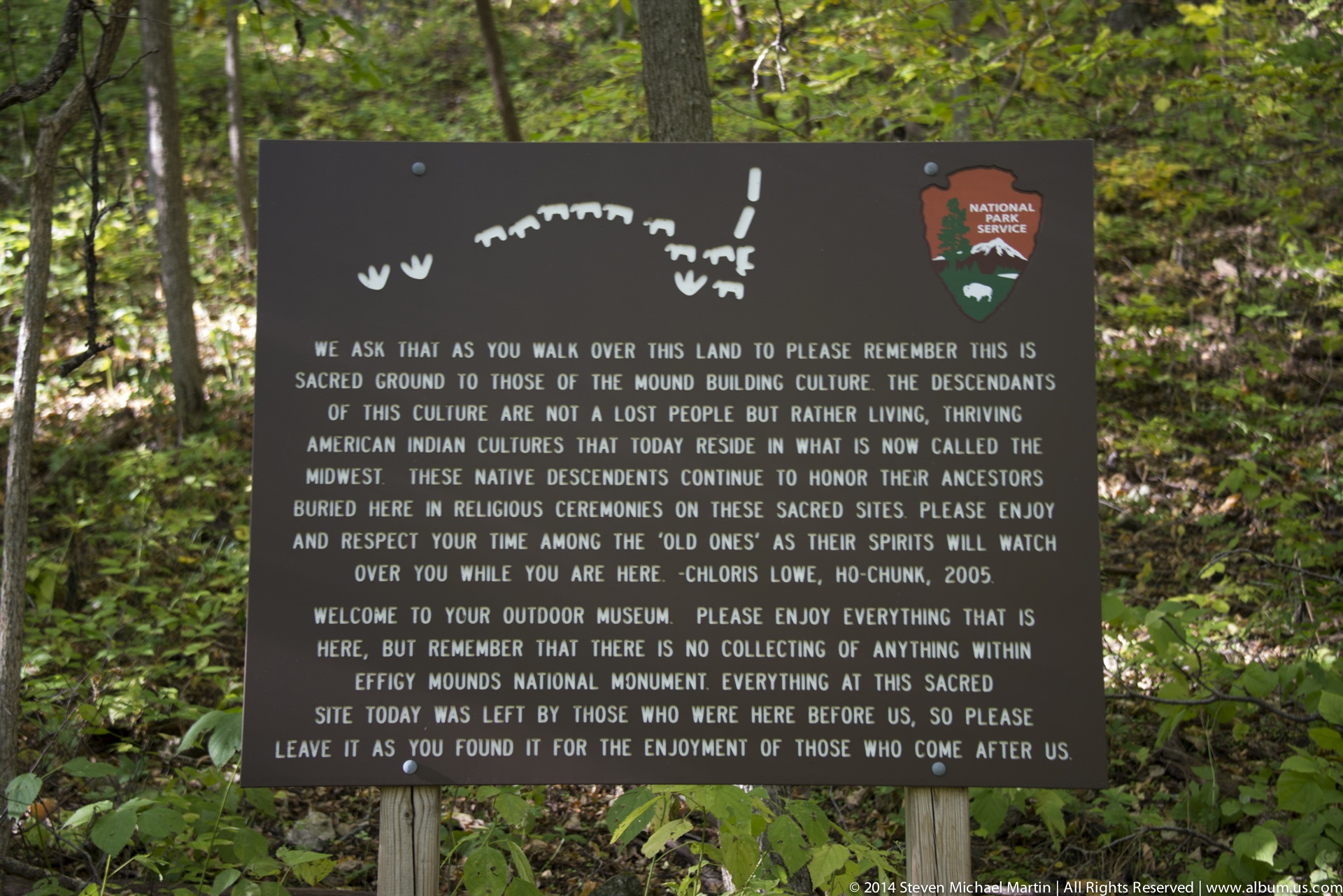
Effigy Mounds National Monument preserves a remarkable collection of prehistoric earthworks created by Indigenous peoples over a thousand years ago. These mounds, often shaped in the forms of animals such as bears and birds, served ceremonial and spiritual purposes within the cultural traditions of the region’s early inhabitants. The site reflects a long history of human presence in the Upper Mississippi River Valley that predates European exploration by many centuries.
The location of the mounds along important river corridors demonstrates the significance of waterways in shaping patterns of settlement, travel, and cultural expression. Indigenous communities developed complex societies that maintained trade networks across large geographic areas, establishing connections that later influenced the routes followed by European explorers and traders. The voyageurs themselves relied heavily on Indigenous geographic knowledge when navigating unfamiliar landscapes.
Effigy Mounds provides insight into the deep historical context of the regions later incorporated into the fur trade economy. The site illustrates how cultural landscapes evolved over long periods of time, with Indigenous traditions continuing to shape the understanding of place even as new economic systems developed during the colonial era.












National Monument Field Guide
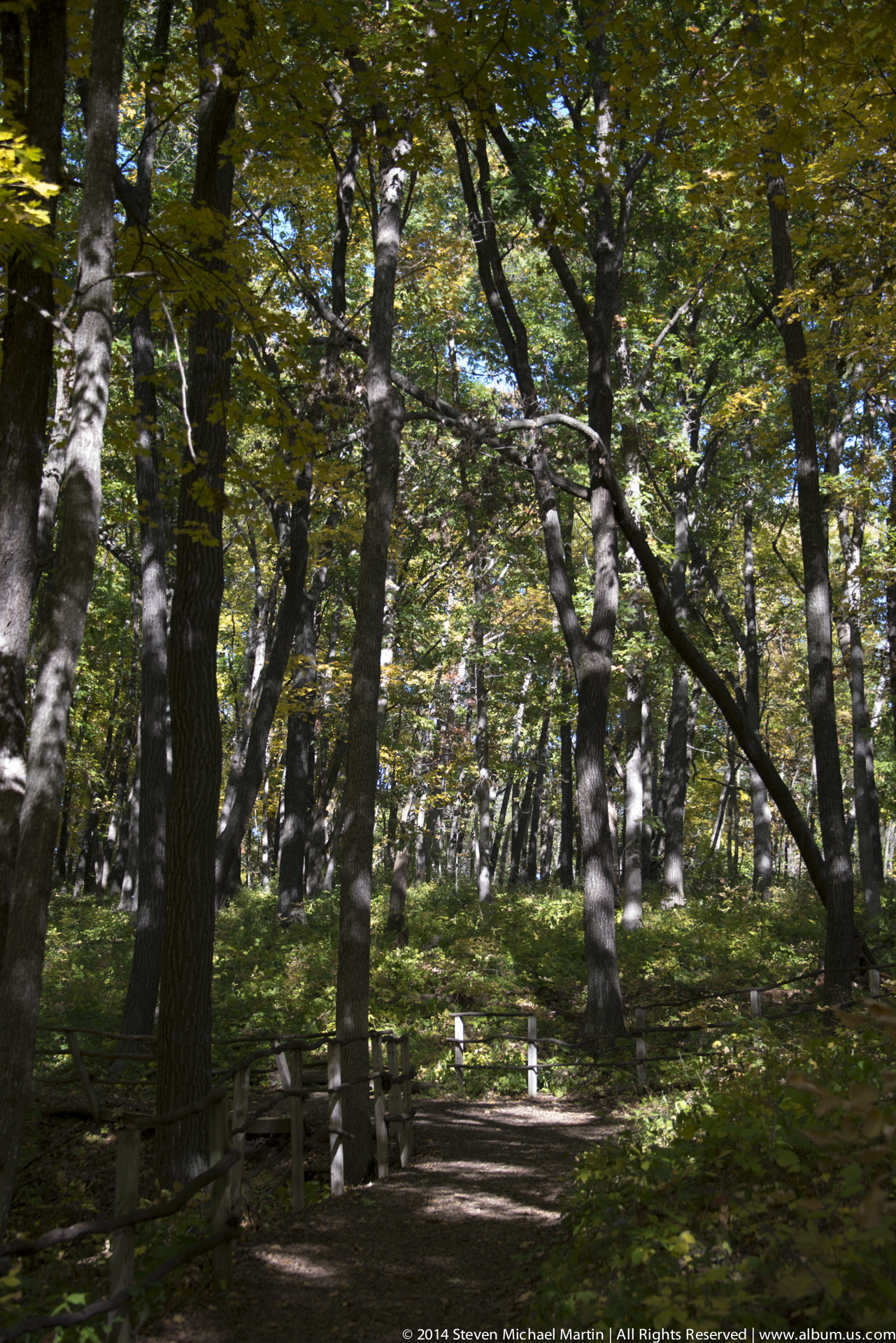
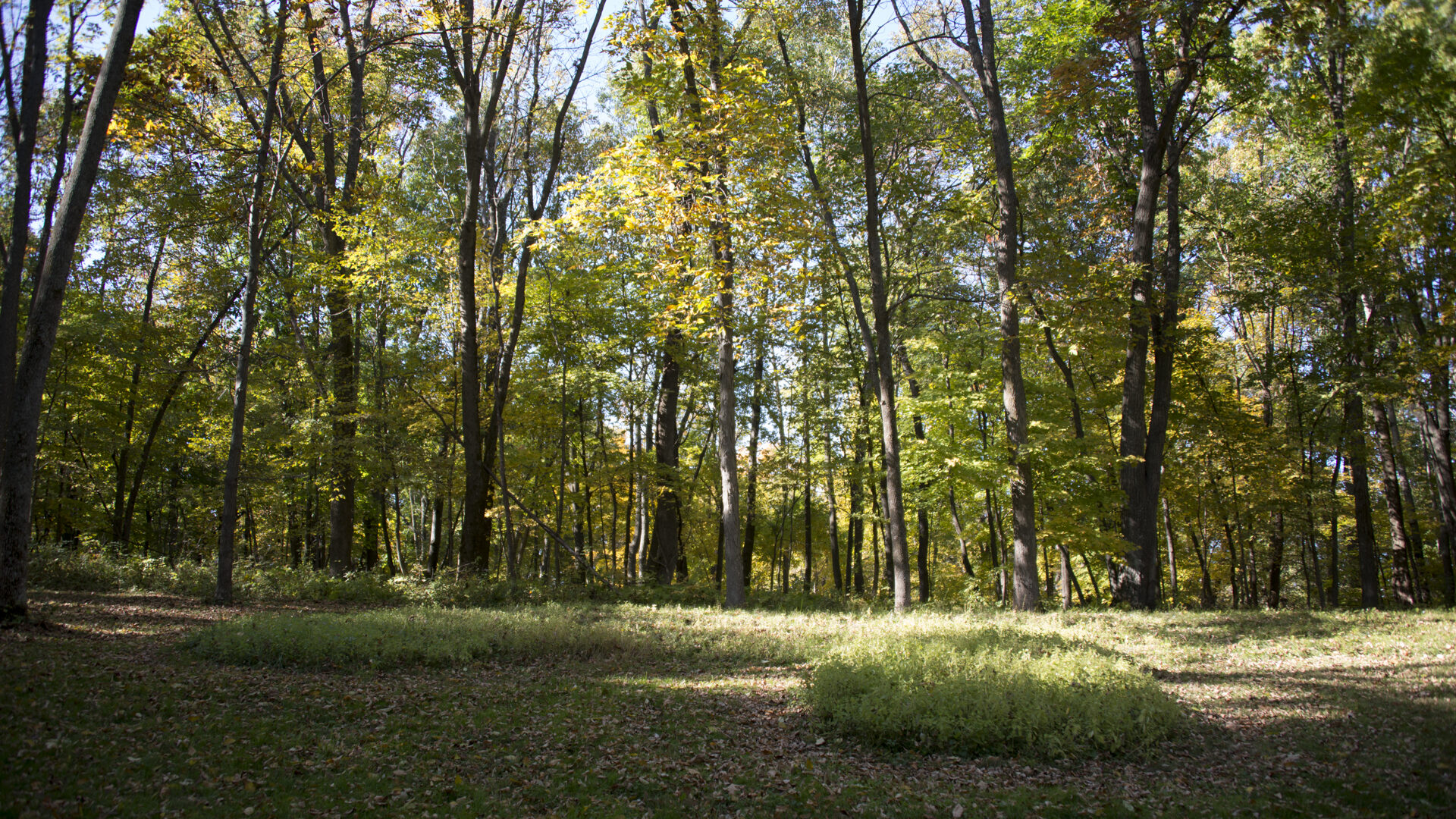
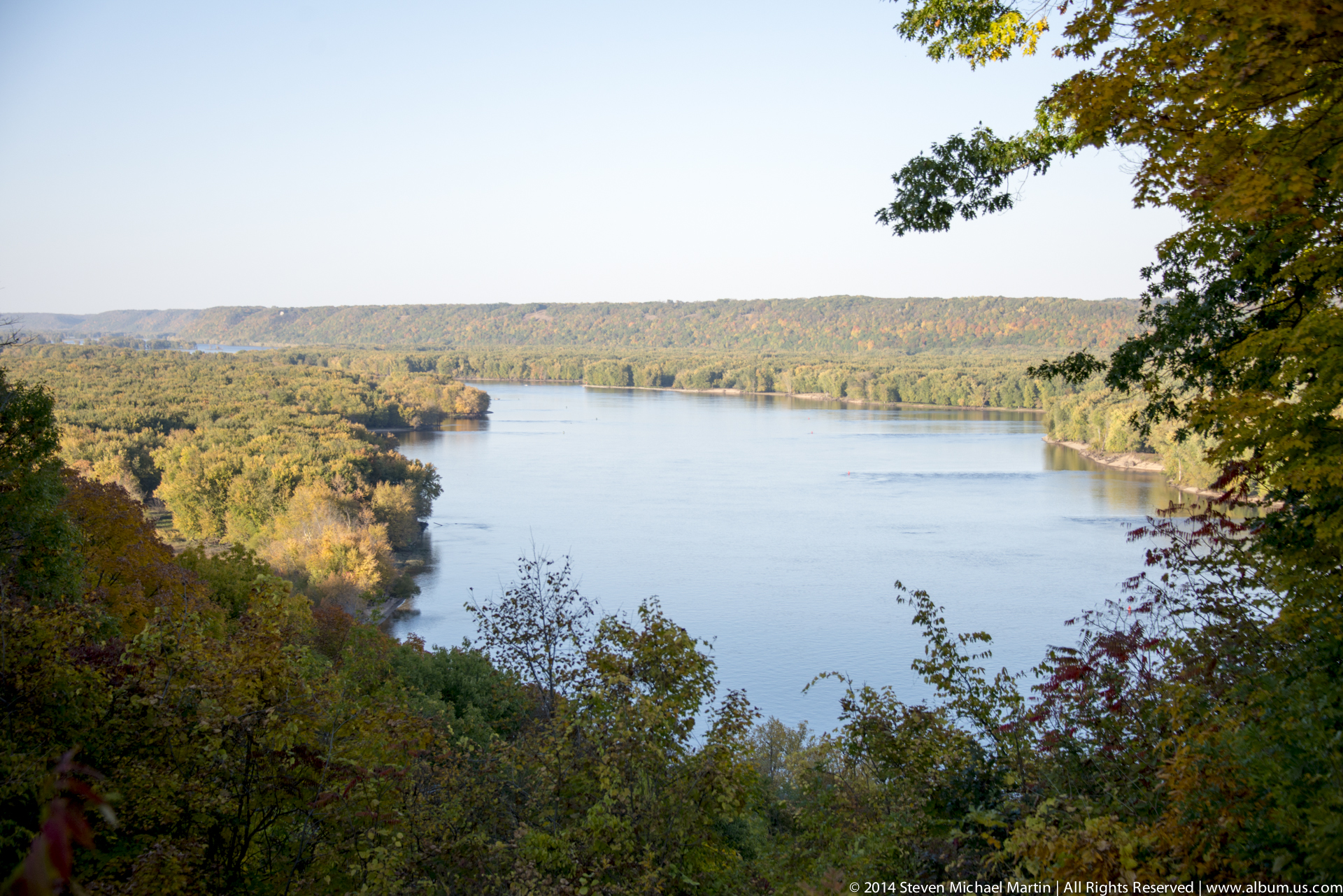
Effigy Mounds National Monument preserves prehistoric earthworks created by Indigenous cultures more than one thousand years ago. Many of the mounds are shaped in the forms of animals such as bears and birds, reflecting spiritual beliefs and connections between human communities and the natural world. The landscape overlooking the Mississippi River valley illustrates how geography influenced settlement patterns and ceremonial traditions.
🏛 Key Significance
- Animal-shaped ceremonial earthworks built between 600–1200 CE
- Sacred landscape associated with spiritual traditions
- Mississippi River overlook providing strategic geographic position
- Archaeological evidence of mound-building cultures
- Connection between landscape and cultural identity
📖 Interpretive Context
Effigy mounds reflect cultural traditions that connected spiritual beliefs with natural surroundings. The elevated terrain above the Mississippi River provided both symbolic and practical significance, offering views across a major transportation corridor used for thousands of years. The monument illustrates how geography shaped cultural practices and how landscapes became integrated into systems of meaning and identity.
📷 Photography Notes
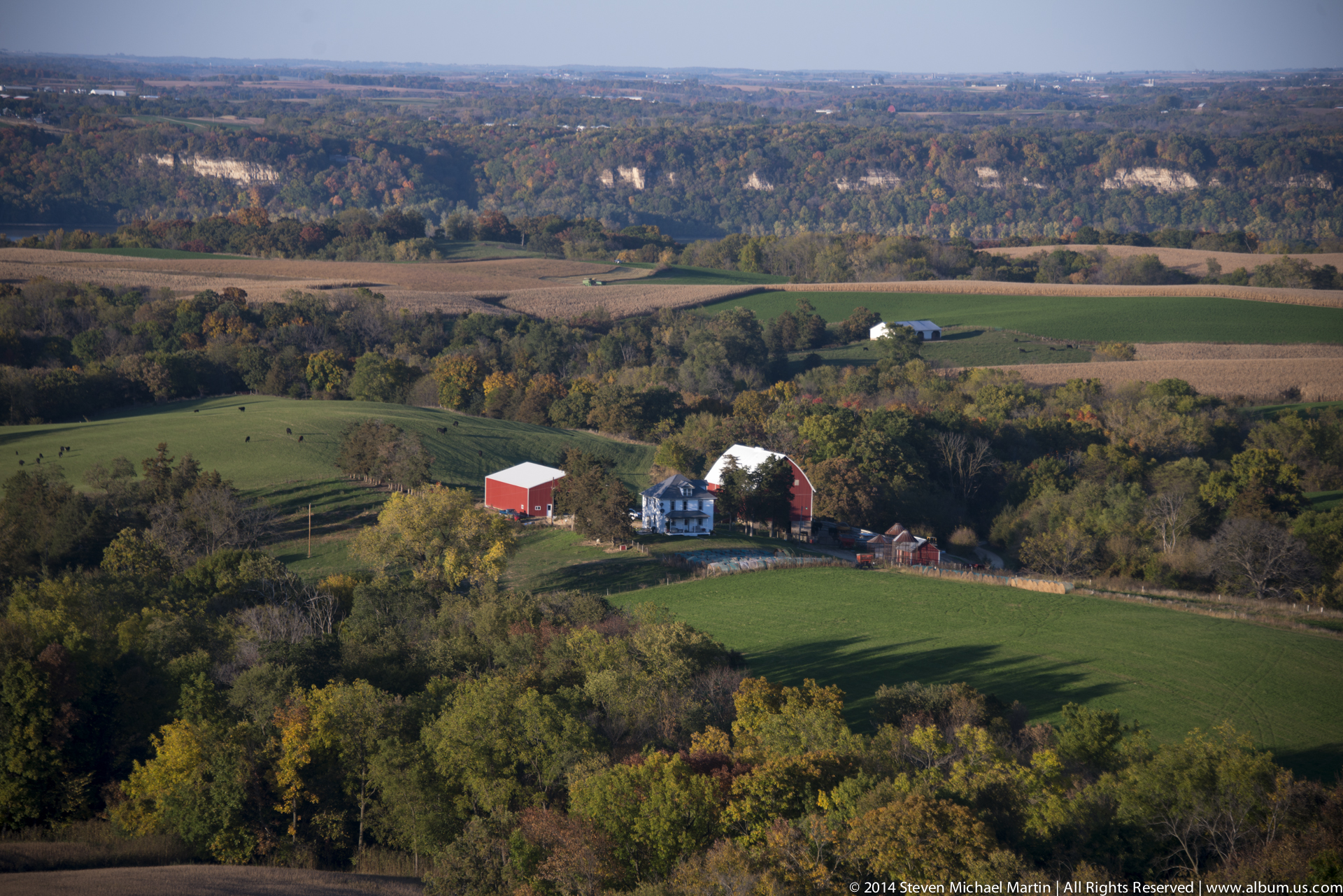
- Elevated viewpoints reveal landscape context
- Wide compositions show mound placement within terrain
- Morning or evening light emphasizes contours
- Include surrounding forest and river valley views